Introduction
The National Impairment Insurance Plan (NDIS) has emerged as a crucial structure for boosting the lifestyle for people with disabilities in Australia. One of the most critical elements of patient treatment within this plan is ventilation training, which has acquired considerable traction over the last few years. With the demand for certified experts that can take care of complicated respiratory tract and ventilation requires surging, understanding exactly how NDIS ventilation training can transform client care is essential. This article will certainly look into different elements of ventilation training, stressing its influence on client results and the healthcare landscape in Australia.
Understanding NDIS Air flow Training
What is NDIS Ventilation Training?
NDIS ventilation training describes specialized education created to furnish healthcare providers with necessary skills in respiratory tract monitoring and mechanical air flow. Through organized programs, participants learn more about ventilators, including their features and setups, like ventilator stress assistance. A foundational facet of this training is comprehending the intricacies involved in taking care of people that need aid with breathing.
Importance of Ventilation Training Courses
Ventilation training courses are essential for guaranteeing that health care specialists can supplying risk-free and effective treatment. With problems such as respiratory failing or persistent obstructive pulmonary disease (COPD), people commonly rely upon ventilators to preserve appropriate oxygenation. By joining courses like a basic ventilator course or even more comprehensive NDIS ventilation training programs, nurses and other practitioners become adept at handling these innovative clinical devices.
Who Ought to Undertake NDIS Air Flow Training?
- Nurses: Nurses play a crucial role in client treatment, especially in intensive care units (ICUs) where mechanical air flow is commonplace. Allied Health and wellness Professionals: Physio therapists and respiratory specialists also benefit from this specialized training to boost their clinical skills. Support Employees: Those functioning straight with people calling for assisted ventilation must be educated appropriately to react effectively to emergencies.
The Function of Ventilator Training for Nurses
Essential Abilities Obtained with Ventilator Training
Ventilator training programs concentrate on gearing up nurses with certain expertises necessary for reliable client monitoring:
Airway Management: Understanding exactly how to establish and preserve an open air passage is fundamental. Monitoring Ventilator Setups: Nurses learn exactly how to adjust ventilator settings according to real-time client needs. Recognizing Problems: Early identification of possible problems associated with mechanical air flow can substantially improve outcomes.Benefits of Specialized Educating for Person Care
The combination of ventilator training into nursing education and learning results in improved patient safety, improved interaction amongst health care groups, and much better overall results by decreasing difficulties associated with improper ventilator use.
Ventilator Stress Assistance: What Is It?
Understanding the Idea of Stress Support Ventilation
Pressure assistance air flow (PSV) is a setting where the ventilator aids people by supplying a preset degree of pressure during inhalation. It's specifically valuable for clients who can start their breaths however need assist with airflow.
When Is Stress Assistance Used?
This setting is generally made use of in situations such as:
- Patients recouping from surgery Individuals experiencing intense respiratory system distress Long-term ventilation scenarios where discouraging off mechanical support is required
Tracheostomy and Ventilator Training: A Vital Combination
Why Is Tracheostomy Important?
A tracheostomy enables direct access to the air passage through an incision made advanced ventilator training for nurses in the throat. For many individuals calling for long-lasting ventilation, this treatment comes to be needed when standard endotracheal intubation stops working or is not feasible.
Integrating Tracheostomy Monitoring into Ventilation Courses
Courses focusing on tracheostomy management cover:
- Techniques for caring for tracheostomy tubes Emergency methods connected to dislodgement or blockage Best techniques for sucking and keeping airway patency
Comprehensive Air passage Management and Air Flow Techniques
The Relevance of Comprehensive Air Passage Administration Skills
Effective air passage administration includes not just maintaining patency however likewise guaranteeing that suitable oxygenation happens throughout treatment. This includes understanding numerous techniques such as CPAP (Constant Positive Respiratory Tract Pressure) or BiPAP (Bilevel Favorable Airway Stress).
Key Components Covered in Airway Management Training:
Recognizing indications of air passage compromise Performing bag-mask ventilation effectively Implementing advanced respiratory tract strategies when necessaryNDIS Ventilation Training course: Curriculum Overview
Core Components Supplied in an NDIS Ventilation Course
Introduction to Mechanical Ventilation Patient Analysis Techniques Setting Up and Fixing Equipment Ethical Considerations in Individual CareHands-On Knowing Experiences
Practical sessions are indispensable components of these courses, permitting individuals to engage straight with equipment under expert supervision.
Benefits of Enrolling in an NDIS Ventilation Training Course
Enhanced Patient Results via Enhanced Skills
Professionals trained through accredited programs obtain abilities that straight affect client safety and comfort degrees throughout treatment.
Fostering Cooperation Among Medical care Teams
Training boosts interaction skills among staff member in charge of client treatment, resulting in better-coordinated initiatives when dealing with intricate cases.
Addressing Usual Misconceptions about NDIS Air Flow Training
1. Isn't Anybody Qualified Sufficient Already?
While lots of health care workers have foundational knowledge, specialized training guarantees they are furnished with current practices customized particularly in the direction of ventilator training for nurses modern-day challenges encountered during mechanical ventilation therapy.
2. Will Training courses Be Too Time Consuming?
Many establishments use adaptable organizing choices permitting professionals to balance work dedications while pursuing their education and learning without overwhelming themselves.
FAQs Pertaining to NDIS Air flow Training
What does an NDIS ventilation training course typically cover? An NDIS ventilation course generally includes modules on mechanical ventilators, repairing strategies, honest considerations around care shipment, and hands-on practice created to construct confidence amongst participants.
How long does it take to complete an NDIS ventilation training course? The period may differ; nevertheless, numerous training courses are structured over a number of weeks with flexible organizing options readily available depending on individual needs.
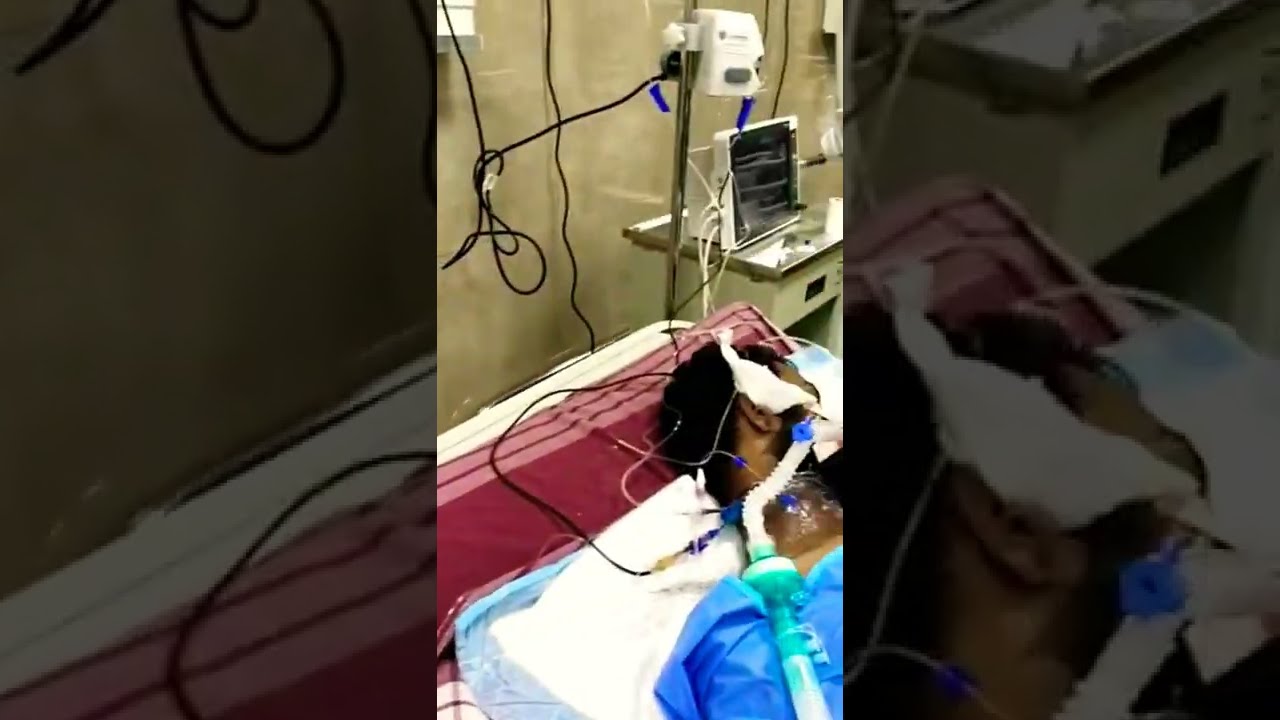
Can I pursue further expertise after completing standard ventilator courses? Definitely! Lots of registered nurses choose innovative accreditations concentrating on certain locations like pediatric air vent monitoring or essential care methods after finishing fundamental courses.

Are there online options available? Yes! Numerous organizations currently use digital classes along with standard class setups catering toward those requiring more adaptability as a result of function schedules or individual commitments.

Do I need previous experience before enrolling? While some background knowledge can be helpful, numerous programs welcome beginners anxious to find out about air passage management methods no matter previous direct exposure levels!
What certifications will I earn upon completion? Participants generally obtain certification confirming their effectiveness upon successfully completing all designated coursework consisting of sensible analyses demonstrating competency levels accomplished throughout hands-on sessions!
Conclusion: The Future Influence of NDIS Ventilation Training on Individual Care
As we navigate through the complexities surrounding health care delivery today-- especially worrying vulnerable populations-- the relevance positioned upon proficient practitioners can not be overstated! Just how NDIS ventilation training can transform individual care in Australia exists not just within instant advantages translucented enhanced precaution however additionally shows more comprehensive modifications happening across systems making every effort towards boosted overall quality criteria upheld by specialized professionals committed towards fostering atmospheres conducive towards healing results worthwhile enough for every single Australian person deserving sensible health and wellness treatments no matter circumstance encountered along life's trip ahead!
In summary: Spending time right into durable education pathways focused around enhancing ability eventually advantages every person involved-- from boosting specific caregiver capabilities right down towards favorably affecting cumulative experiences shared amongst those obtaining essential services given daily across local areas nationwide!